First-Time Buyers
5 Real Ways to Buy a Home With Little Money Down in Texas

How much money do you really need to buy a home in Texas?
You do not need 20 percent down to buy a home in Texas. The 20 percent figure only lets you skip mortgage insurance on a conventional loan. Real paths include VA and USDA loans at zero down, FHA at 3.5 percent, and conventional loans at 3 to 5 percent. Texas down payment assistance can cover much of the rest, so most buyers need far less cash than they think.
You do not need 20 percent down to buy a home in Texas. That number only does one thing: it lets you skip mortgage insurance on a conventional loan. Real paths include VA and USDA loans at zero down, FHA at 3.5 percent, and conventional loans at 3 to 5 percent. On top of that, Texas down payment assistance can cover much of the cash you were stressing about. For most buyers the honest range is 3 to 5 percent, not 20.
That 20 percent rule gets repeated everywhere, and it quietly convinces buyers with steady jobs and decent credit that they are years away from owning. They are usually a lot closer than they think.
Why does everyone believe you need 20 percent down?
Picture a couple in their mid thirties. Both working, credit in decent shape. They looked at a home around 300 thousand and did the math the way everyone does. Twenty percent plus closing costs on top. They looked at their savings, felt sick, and decided to wait two or three more years.
Totally reasonable, and totally based on a rule that did not apply to them.
Here is what that 20 percent number actually does. It lets you avoid mortgage insurance on a conventional loan. That is it. Mortgage insurance is just a monthly fee that protects the lender when you put less down. It is not a wall. It is a line item, and on conventional loans it comes off later once you build enough equity. The Consumer Financial Protection Bureau explains how private mortgage insurance works and when it can be removed.
So the real question was never "can we save 60 thousand." It was "which path gets us in the door with the cash we actually have."
What loans let you buy with zero down?
Two loan programs require nothing down at all.
The VA loan
If you have served, the VA loan is the one. Zero down and no monthly mortgage insurance for eligible veterans and service members. If that describes you and you are still renting, that is money leaving your pocket every month for no reason. You can review eligibility details directly from the U.S. Department of Veterans Affairs. If you have never served, this simply is not your lane, and that is fine, because there is a second zero down option almost nobody brings up.
The USDA loan
The USDA loan name throws people off. It does not mean you have to buy a farm in the middle of nowhere. Despite the rural designation, USDA loan areas include many suburban communities and areas near major cities, covering roughly 97 percent of U.S. land area. Here in Texas, much of what surrounds Austin, Houston, and Dallas qualifies once you get into the outer suburbs.
It is zero down, and the monthly cost often runs cheaper than the alternatives. There are two catches:
- It is tied to the map, so the property address has to be in an eligible area. You can check locations on the USDA eligibility site.
- There is a household income cap. And it is household income, not just borrower income. Your spouse's W-2 counts even if they are not on the loan. So does a working adult child living at home.
USDA deserves its own deep dive, but know that it exists.
What are the low down payment options for everyone else?
Two more programs cover almost everyone who does not qualify for zero down.
FHA at 3.5 percent down
FHA lets you buy with 3.5 percent down. On a 300 thousand dollar home, that is not 60 thousand. It is a little over 10 thousand. FHA is the workhorse for buyers who are still building credit or want an easier approval. You can read the basics from the U.S. Department of Housing and Urban Development.
Conventional at 3 to 5 percent down
Standard conventional loans go as low as 3 to 5 percent down for a lot of buyers, first timers especially. So the honest range for most people is 3 to 5 percent, not 20.
Can down payment assistance cover the rest?
Here is the part that changes the math the most, and it is the piece our couple had no idea existed. Texas has down payment assistance programs, and they can cover the down payment you were stressing about.
The two big statewide sources are:
- TDHCA, the Texas Department of Housing and Community Affairs
- TSAHC, the Texas State Affordable Housing Corporation
They offer both grants and deferred second liens that can be used with FHA, VA, USDA, and conventional loans. A grant is money you simply do not pay back. The structure matters. TSAHC's Home Sweet Texas program offers a grant option with no lien, no repayment, and no strings. That is the cleanest form of assistance, and it is the one most buyers do not know exists.
Two things worth knowing:
- You do not have to be a first-time buyer for all of these. In Texas you are considered a first-time homebuyer if you have not owned a home as your primary residence in the past three years, and some programs waive even that.
- There is a program built specifically for public servants called Homes for Texas Heroes, for teachers, firefighters and EMS personnel, police and correctional officers, and veterans. If that is your line of work, that is your program.
The exact assistance amount and income limit depend on your county, they change during the year, and they vary by household size. That is exactly the number a loan officer pins down for your situation.
Is down payment assistance always the best move?
No, and this is the honest part most people gloss over. Assistance is not automatically the best choice for everyone. Sometimes the grant carries a slightly higher rate. Sometimes a plain conventional loan wins. The only way to know is to run your actual scenario side by side.
Most lenders give you a rate. A good strategy compares every path against the cash you actually have and the monthly payment you want to hit.
That couple who thought they needed 60 thousand? Once the real numbers were run, they were not two years out. They were closer to a few months out. The gap was never their money. It was the wrong number in their head.
Run your real numbers before you wait another month
If you have been putting off buying because you do not think you have enough saved, book a free strategy call and see your actual options side by side. You might be a lot closer than you think.
Frequently asked questions
Do I really need 20 percent down to buy a home in Texas? +
No. The 20 percent figure only lets you avoid mortgage insurance on a conventional loan. It is not a requirement to buy. Most buyers use options that need far less cash. VA and USDA loans allow zero down for those who qualify. FHA requires 3.5 percent down, and conventional loans can start at 3 to 5 percent. Down payment assistance in Texas can cover much of that remaining cash. For most buyers with steady income and decent credit, the honest range is 3 to 5 percent, not 20.
What is mortgage insurance and does it ever go away? +
Mortgage insurance is a monthly fee that protects the lender when you put down less than 20 percent. It is a line item, not a barrier to owning. On conventional loans, private mortgage insurance can be removed once you build enough equity in the home. The Consumer Financial Protection Bureau explains the rules for canceling it. Government-backed loans handle it differently, so the way the fee works depends on your loan type. This is one of the reasons it helps to compare programs before deciding.
Do I have to buy in a rural area to use a USDA loan? +
No, and the name causes a lot of confusion. USDA loan areas include many suburban communities and areas near major cities, covering roughly 97 percent of U.S. land area. In Texas, much of what surrounds Austin, Houston, and Dallas qualifies once you reach the outer suburbs. There are two catches. The property address must be in an eligible area, which you can check on the USDA eligibility site, and there is a household income cap based on everyone earning in the home, not just the borrowers on the loan.
What is the difference between a down payment grant and a second lien? +
A grant is money you do not pay back. There is no lien and no repayment attached to it. A deferred second lien is assistance that is structured as a loan against the property, which may be repaid under certain conditions. Texas agencies TDHCA and TSAHC offer both, and they can pair with FHA, VA, USDA, and conventional loans. TSAHC's Home Sweet Texas program includes a grant option with no lien and no repayment, which is the cleanest form of assistance.
Do I have to be a first-time buyer to get down payment assistance in Texas? +
Not always. In Texas you are considered a first-time homebuyer if you have not owned a home as your primary residence in the past three years. Some assistance programs waive even that requirement. There is also a program called Homes for Texas Heroes built specifically for public servants, including teachers, firefighters and EMS personnel, police and correctional officers, and veterans. The best fit depends on your county, household size, and income, which change during the year.
Is down payment assistance always the best choice? +
No. Assistance is not automatically the smartest move for everyone. Sometimes a grant comes with a slightly higher interest rate, and sometimes a plain conventional loan is the better overall deal. The only way to know is to run your actual scenario side by side and compare the monthly payment, the rate, and the total cash needed. That comparison is the whole point of building a strategy instead of just accepting the first rate you are quoted.
Sources
- What is private mortgage insurance? — Consumer Financial Protection Bureau
- VA Home Loans — U.S. Department of Veterans Affairs
- USDA Property Eligibility — U.S. Department of Agriculture
- Buying a Home With an FHA Loan — U.S. Department of Housing and Urban Development
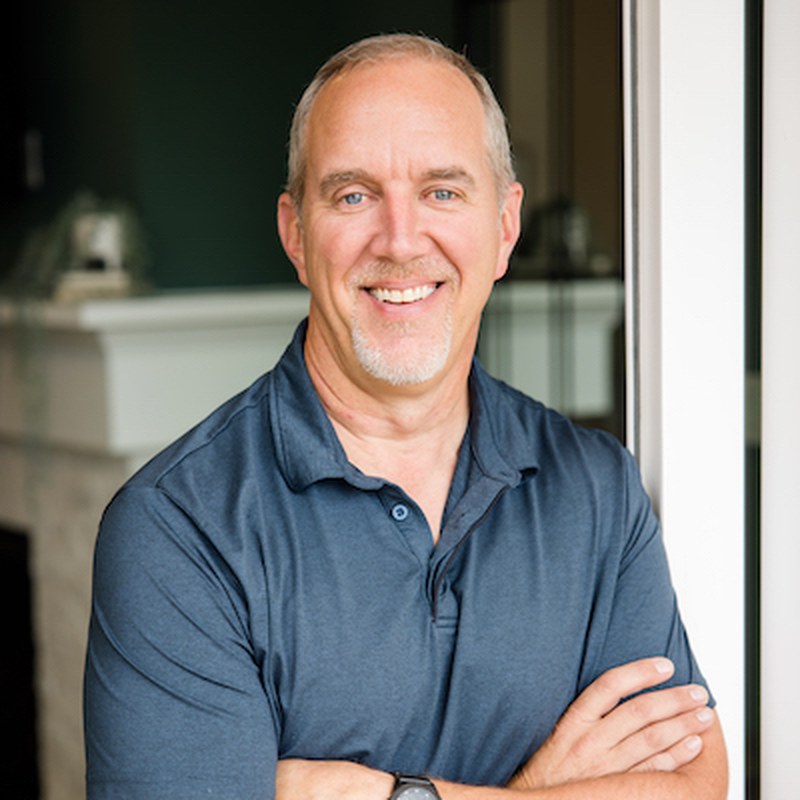
About the author
Matt Robertshaw — Senior Mortgage Strategist
NMLS #925153
Matt has funded more than $400 million in home loans since 2003 — Arizona, 14 years in Houston, and now Dripping Springs and the Texas Hill Country. An 82nd Airborne veteran, he has built his business on one idea: strategy always wins. He lives in Dripping Springs with his wife Kimberly and their family. Credentials: NMLS #925153; NEXA Mortgage, LLC, NMLS #1660690
More about Matt →Ready to talk numbers?
Schedule a 15-minute call. We'll walk through your situation and show you what's actually possible — no pressure, no pitch.
Book a call

